What happens when brand storytelling meets UX design?

What happens when brand storytelling meets UX design?

When we took our brand storytelling mini workshop on the road and delivered it to UX design students, this illuminated some crucial points about the relationship between branding and design.

19 November 2025
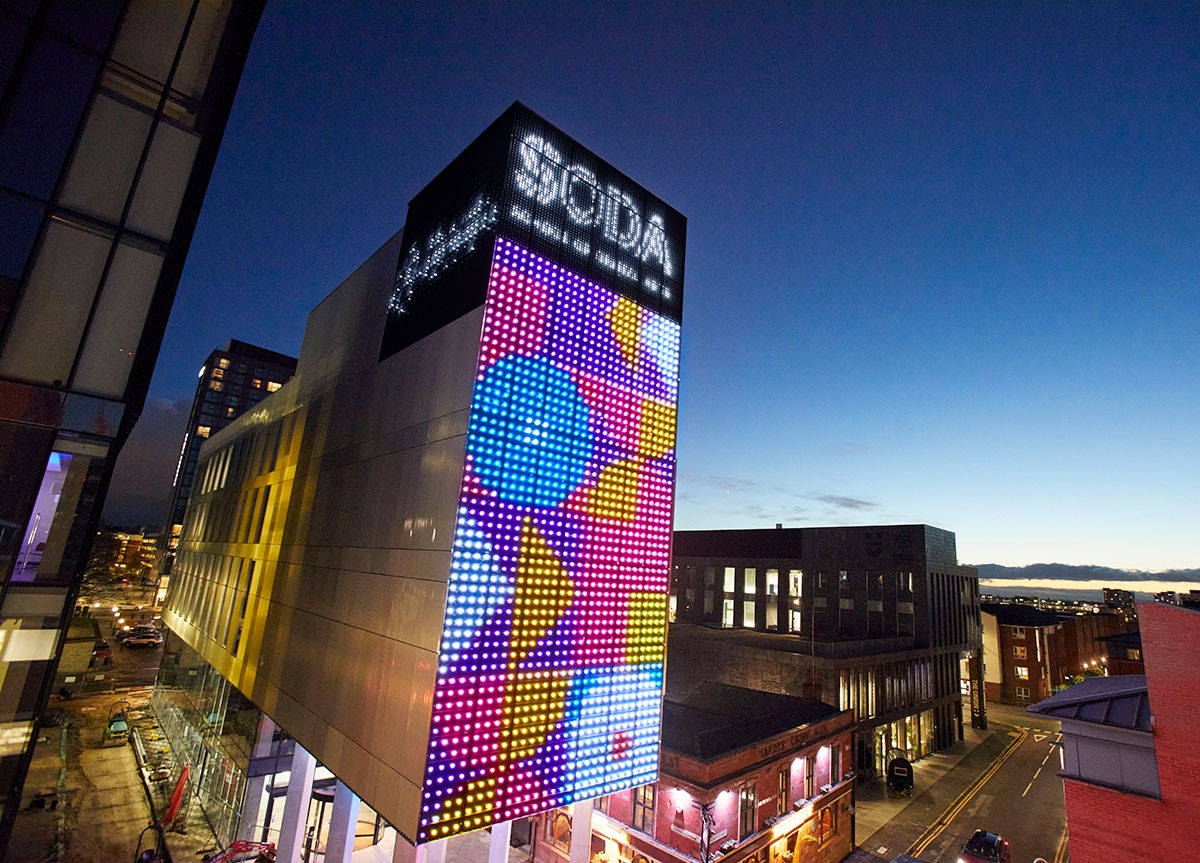
In November 2025, we visited SODA, Manchester Metropolitan University’s School of Digital Arts, on the invitation of Rob Potts, lecturer in creative digital design.

We took a group of Rob’s students through our workshop on brand storytelling basics. The workshop is originally designed for a business audience, but we adapted it for the students, asking them to participate as if they were either running their own design business or working for an employer as a designer.

Design and branding have developed specialised languages to communicate with their target audiences. These languages are far from mutually exclusive. In fact, they are more like different dialects of the same language.

Our experience at SODA confirmed these similarities while prompting some valuable reflections on how the disciplines of design and branding intersect.

Principles of brand storytelling

Principles of brand storytelling

Brand storytelling principles are based on general storytelling principles — a compelling narrative makes the reader, or audience, want to discover more and they’re more likely to find it compelling if they find it relatable in some way.

In fiction, relatability is quite a broad quality — the characters in a story don’t have to be markedly similar to the audience, but they do tend to display some universally recognisable human traits.

In business, however, relatability must be more specific. The narrative must appeal to the prospect or customer, so that they feel they are at the heart of the story. Effectively, the customer is the story’s hero.

Storytelling provides a narrative framework for the customer experience, and it gives the brand a dual role, as trusted guide and narrator. The audience for this story should feel visible, listened to and understood.

Storytelling provides a narrative framework for the customer experience, and it gives the brand a dual role, as trusted guide and narrator. The audience for this story should feel visible, listened to and understood.

In this way, storytelling, as a brand strategy, supports the customer and the brand by underpinning the brand’s communications and interactions.

So, how does this fit in with UX design principles?

Principles of UX design

UX, or user experience, design put the user first, naturally. In this sense, it is an inherently empathic discipline and approach to problem-solving.

UX design is user-centric, giving the user control over the process. Consequently, it has accessibility and usability as fundamental principles. There are also structural elements that the UX designer must consider: the consistency of the design and the hierarchy of interactions the user will have within the experience.

Finally, there is the context of the design — what it is for and what it helps the user to achieve.

Immediately, we can see overlaps with brand storytelling principles:

  • Both UX design and brand storytelling focus on the user/customer, creating frameworks or patterns that direct or prompt them to achieve desired goals or conclusions

  • Both favour clarity and simplicity as the most effective means of communicating ideas to a target audience

  • Both have trust as a prerequisite for creating a successful user/customer experience.

Creative allies

UX design creates a language and tools to optimise the user’s experience and make processes as frictionless as possible. As we’ve already mentioned, context is also a crucial facet here — design only works as a language if it has a clear purpose.

However, there’s an additional context that brand storytelling provides. It frames the design within a narrative that has the user/customer as hero and the brand as their guide.

Within this wider context, UX design provides the mechanism or vehicle by which the brand can help the user/customer achieve the outcome they desire.

This narrative builds trust and determines the tone of the user experience. This isn’t simply embellishment. It has a profound impact on the user experience. The effectiveness of the design on its own cannot always guarantee a good user experience.

Decision-making is driven by more than logic; it involves emotion. Brand storytelling appeals to the emotional side of decision-making while UX design streamlines and enhances the user experience.

They are allies, working together towards a common goal: customer satisfaction.


Patn is a branding agency for placemakers.

Subscribe to our newsletter

Patn

Patn Studio


Patn Events

Find us

Patn Studio


x+why


Embankment East Tower Cathedral Approach
Salford M3 7FB

Patn is a registered trademark of Partisan Studio Ltd. © 2025

Subscribe to our newsletter

Patn

Patn Studio


Patn Events

Find us

Patn Studio


x+why


Embankment East Tower Cathedral Approach
Salford M3 7FB

Subscribe to our newsletter

Patn

Patn Studio


Patn Events

Find us

Patn Studio


x+why


Embankment East Tower Cathedral Approach
Salford M3 7FB

Subscribe to our newsletter

Patn

Patn Studio


Patn Events

Find us

Patn Studio


x+why


Embankment East Tower Cathedral Approach
Salford M3 7FB

Subscribe to our newsletter

Patn

Patn Studio


Patn Events

Find us

Patn Studio


x+why


Embankment East Tower Cathedral Approach
Salford M3 7FB

Subscribe to our newsletter

Patn

Patn Studio


Patn Events

Find us

Patn Studio


x+why


Embankment East Tower Cathedral Approach
Salford M3 7FB

Subscribe to our newsletter

Patn

Patn Studio


Patn Events

Find us

Patn Studio


x+why


Embankment East Tower Cathedral Approach
Salford M3 7FB